
Kia Seltos: Brake system / ESC system
Contents:
The Electronic Stability Control (ESC) system in the Kia Seltos is designed to help stabilize the vehicle during cornering and other driving maneuvers where traction may be reduced.
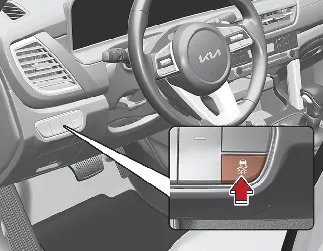
ESC applies braking force to individual wheels and works with the vehicle management system to help maintain stability when the Kia Seltos begins to lose traction or directional control.
ESC cannot prevent every accident. Excessive speed in turns, sudden steering movements, aggressive maneuvers, and hydroplaning on wet roads can still lead to serious accidents.
Only a careful and attentive driver can help prevent accidents by avoiding situations that cause the vehicle to lose traction. Even with ESC installed, always follow normal safe-driving practices, including driving at speeds appropriate for road, weather, and traffic conditions.

WARNING
For maximum protection, always wear your seat belt. No system, no matter how advanced, can fully compensate for driver error, poor judgment, or difficult road conditions. Always drive the Kia Seltos responsibly.
The ESC system is an electronic support system designed to help the driver maintain vehicle control in adverse conditions. It is not a replacement for safe driving habits. Speed, road surface, tire condition, weather, and driver steering input can all affect how effectively ESC helps prevent loss of control. It remains the driver's responsibility to corner at reasonable speeds and maintain a safe margin at all times.
When braking under conditions where the wheels could lock, you may hear a "tik-tik" sound from the brakes or feel a related pulsing sensation in the brake pedal. This is normal and means the ESC system is active.

NOTICE
A clicking sound may be heard inside the passenger compartment when the vehicle begins to move after startup. This is normal and indicates that the Electronic Stability Control system is performing its check and operating properly.
ESC operation
ESC ON condition
-
When the ENGINE START/STOP button is turned ON, the ESC and ESC OFF indicator lights appear for approximately 3 seconds. After this self-check, ESC is turned on automatically.
-
To turn ESC off, press the ESC OFF button for at least half a second after turning the vehicle ON. The ESC OFF indicator will appear. To turn ESC back on, press the ESC OFF button again, and the ESC OFF indicator light will turn off.
-
When starting the Kia Seltos, you may hear a slight ticking sound. This is the ESC performing an automatic system self-check and does not indicate a problem.
When operating

When ESC is operating, the ESC indicator light blinks to show that the system is actively helping control vehicle stability.
When ESC operates normally, you may feel a slight pulsation or response through the vehicle. This is expected and does not indicate a malfunction.
When moving out of mud or driving on a slippery road, pressing the accelerator pedal may not cause the rpm (revolutions per minute) to increase as expected. This can occur because ESC is limiting wheel spin to help the Kia Seltos regain traction.
ESC operation off

The Kia Seltos has 2 ESC off states. These settings allow the driver to reduce or disable certain ESC functions only when specific driving conditions require it.
If the vehicle is stopped while ESC is turned off, ESC remains off during that drive cycle. When the Kia Seltos is restarted, ESC turns on automatically again for normal safety operation.
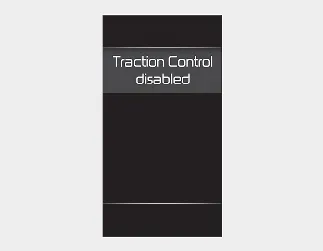
ESC off state 1
To turn off the traction control function while keeping the brake control function of ESC active, press the ESC OFF button (ESC OFF  ) for less than 3 seconds. The ESC OFF indicator light (ESC OFF
  ) will illuminate.
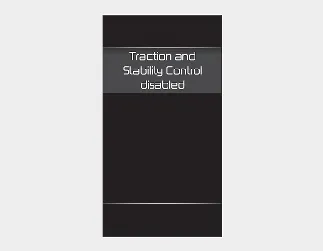
ESC off state 2
To turn off both the traction control function and the brake control function of ESC, press the ESC OFF button (ESC OFF  ) for more than 3 seconds. The ESC OFF indicator light (ESC OFF
  ) will illuminate and the ESC OFF warning chime will sound. In this state, ESC will not operate.
Indicator light
ESC indicator light

ESC OFF indicator light

When the ENGINE START/STOP button is turned ON, the indicator light illuminates briefly and then turns off if the ESC system is operating normally.
The ESC indicator light blinks whenever ESC is actively operating. If the light stays on, ESC may not be operating correctly.
The ESC OFF indicator light turns on when ESC has been switched off using the ESC OFF button.

WARNING
Electronic Stability Control
Drive carefully even though your Kia Seltos is equipped with Electronic Stability Control. ESC can assist with maintaining control only under certain conditions and cannot overcome unsafe speed, poor judgment, worn tires, or severe road hazards.
ESC OFF usage
When driving
-
ESC should remain turned on for daily driving in the Kia Seltos.
-
To turn ESC off while driving, press the ESC OFF button only when the vehicle is traveling on a flat and stable road surface.

WARNING
Operating ESC
Never press the ESC OFF button while ESC is actively operating and the ESC indicator light is blinking.
If ESC is turned off while it is helping control the vehicle, the Kia Seltos may slip or lose stability, increasing the risk of an accident.

NOTICE
-
When operating the vehicle on a dynamometer, make sure ESC is turned off and the ESC OFF light is illuminated. If ESC remains on, it may prevent vehicle speed from increasing and could result in an incorrect diagnosis.
-
Turning ESC off does not disable ABS or normal brake system operation.


Other information:
Kia Seltos SP2 (2021-2026) Owner's Manual: Instrument cluster
Type A Type B * The actual instrument cluster in your Kia Seltos may differ from the illustration depending on trim level, market, and vehicle specifications. Speedometer Tachometer Fuel gauge Engine coolant temperature gauge LCD display Warning and indicator lightsKia Seltos SP2 (2021-2026) Owner's Manual: Limitations of NSCC
Navigation-based Smart Cruise Control (NSCC) in the Kia Seltos may not operate properly under certain road, navigation, weather, or system conditions. The driver must always monitor the road and remain ready to control speed manually. The navigation system is not operating properly. Map information is not transmitted because of abnormal infotainment system operation.