
Kia K4: Maintenance / Engine coolant
Contents:
The high-pressure cooling system of the Kia K4 is equipped with a specialized reservoir pre-filled at the factory with a high-quality, year-round ethylene-glycol antifreeze coolant. This system is engineered to maintain optimal operating temperatures across diverse climates.
To ensure the long-term reliability of your Kia K4, we recommend checking the antifreeze protection levels and the overall coolant volume at least once annually—ideally before the onset of the winter season—and always prior to embarking on long-distance travel to regions with significantly colder climates.
NOTE
-
If the engine overheats due to a low coolant level, never add a large volume of cold coolant suddenly, as the thermal shock may cause cracks in the engine block or cylinder head. To prevent catastrophic damage, add the appropriate coolant mixture slowly and in small, measured quantities.
-
Never drive your Kia K4 if the cooling system is empty. Operating the engine without proper coolant circulation will inevitably lead to water pump failure, severe engine overheating, and potential permanent engine seizure.
Checking the coolant level
CAUTION
Removing the engine coolant reservoir cap

Never attempt to remove the engine coolant reservoir cap while the Kia K4 engine is operating or still hot. Doing so can compromise the cooling system's integrity and poses a high risk of serious personal injury from pressurized, scalding coolant or steam.
Always turn the engine OFF and allow it to cool completely before performing any maintenance. When ready, use extreme caution: wrap a thick, protective towel around the cap and turn it counterclockwise slowly to the first stop. Step back to allow any residual pressure to safely dissipate from the cooling system.
Once you are certain that all system pressure has been safely released, press down on the cap with the thick towel and continue turning it counterclockwise to remove it fully. Even if the engine is not currently running, do not remove the cap or the drain plug if the engine and radiator components remain hot; pressurized steam can still erupt unexpectedly.
CAUTION
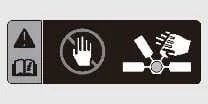
The Kia K4 features an electric cooling fan controlled dynamically by coolant temperature, refrigerant pressure, and current vehicle speed. Please be aware that this fan can activate automatically even when the ignition is switched OFF. To avoid injury from rapidly rotating fan blades, exercise extreme caution when working in the engine bay. The electric motor will automatically shut off once the coolant temperature drops below the required threshold; this is standard operating behavior.
Please note that the cooling fan may continue to operate until the negative battery cable is disconnected.
Regularly inspect the physical condition and connection integrity of all cooling system hoses and cabin heater hoses. If you detect any signs of swelling, cracking, or material deterioration, replace the affected hoses immediately to prevent sudden leaks.
When the engine is completely cool, the coolant level in the Kia K4 reservoir should sit precisely between the MAX (F) and MIN (L) markings on the side of the reservoir.
If the level is low, replenish it by adding a mixture of distilled (deionized) water and the specified antifreeze to bring the level up to the MAX (F) line. Ensure you do not overfill the reservoir, as the fluid requires room to expand as it heats up.
If you find that your Kia K4 requires frequent coolant top-offs, this may indicate a leak or a system fault; have the cooling system inspected thoroughly by an authorized Kia dealer.
NOTE
Always ensure the coolant reservoir cap is firmly and properly secured after refilling. A loose or incorrectly seated cap will prevent the system from pressurizing, which can cause the Kia K4 engine to overheat during operation.
- Verify that the label on the Kia K4 engine coolant reservoir cap is positioned straight, indicating it is correctly seated.
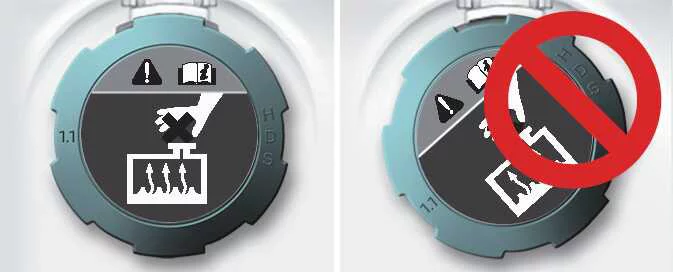
- Ensure that the small locking protrusions located inside the cap are securely interlocked with the reservoir neck.
Figure 1. Smartstream G2.0 (Gasoline) 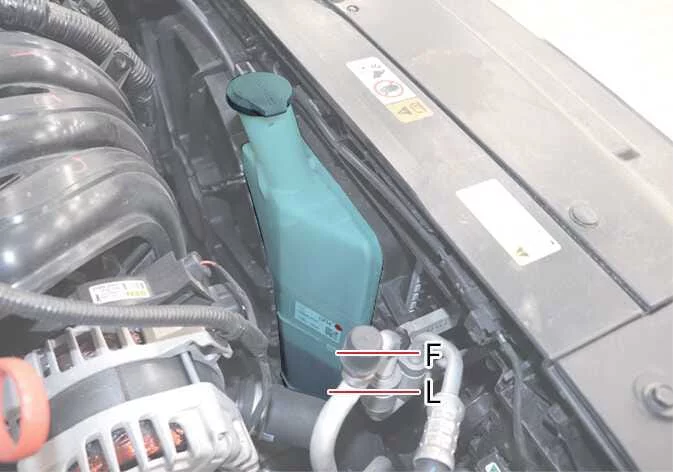
Figure 2. Smartstream G1.6 T-GDi (Gasoline) 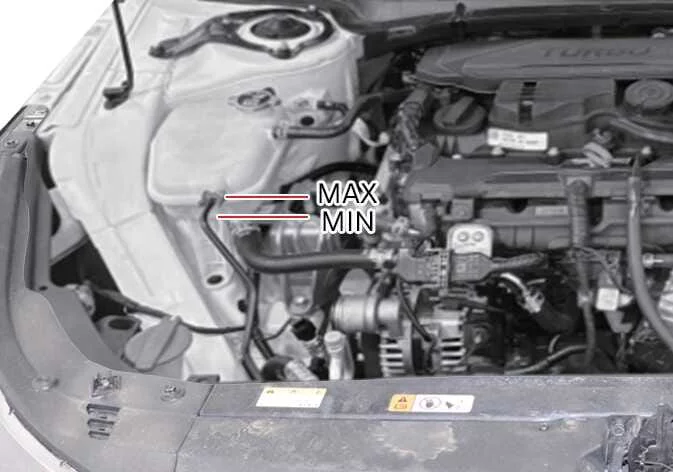
Recommended engine coolant
-
When preparing coolant for your Kia K4, use only deionized or soft water. Never use hard water, as the mineral content can create deposits, leading to serious cooling system malfunctions or engine damage over time.
-
The Kia K4 engine contains precision aluminum components that require protection from a high-quality ethylene-glycol coolant with phosphate-based inhibitors to effectively prevent internal corrosion and freezing.
-
Do not use or mix alcohol, methanol-based, or non-specified coolants, as these will degrade the protection provided by the factory-filled fluid.
-
Maintain an antifreeze concentration between 35% and 60%. Concentrations outside this range—specifically less than 35% or more than 60%—will significantly reduce the heat-transfer and anti-corrosion effectiveness of the solution.
For correct mixing ratios based on your local climate, please refer to the following table:
Ambient Temperature |
Mixture Percentage (volume) |
|
|---|---|---|
Antifreeze |
Water |
|
5°F (-15°C) |
35 |
65 |
-13°F (-25°C) |
40 |
60 |
-31°F (-35°C) |
50 |
50 |
-49°F (-45°C) |
60 |
40 |
CAUTION
Engine coolant reservoir cap safety

Never attempt to remove the engine coolant reservoir cap while the Kia K4 engine and radiator are hot. Pressurized, scalding coolant and steam may erupt, potentially causing serious and permanent injury.
Changing the coolant
To ensure the longevity and peak performance of your Kia K4 cooling system, we strongly recommend having the coolant professionally replaced by an authorized Kia dealer. They possess the specialized equipment required to perform a complete system flush and ensure the correct concentration of antifreeze is maintained for your specific climate.
NOTE
To prevent potential damage from coolant spillage onto critical engine components—specifically the alternator and electrical connectors—always place a thick, absorbent cloth around the base of the radiator cap before initiating the refilling process.
NOTE
Coolant usage precautions
-
Never add radiator coolant or engine antifreeze to the windshield washer fluid reservoir under any circumstances.
-
If radiator coolant is accidentally sprayed onto the windshield, it will create a severe, oily film that significantly obscures your vision, potentially leading to a loss of vehicle control. Furthermore, contact with cooling fluids can cause permanent damage to your Kia K4 exterior paint and rubber body trim.


Other information:
Kia K4 (CL4) 2025-2026 Owner's Manual: Winter driving
Severe winter weather conditions significantly increase the risk of road hazards, accelerate tire wear, and demand proactive maintenance. To ensure your Kia K4 remains reliable and safe throughout the colder months, please follow these professional recommendations for winter operation. Snowy or icy conditions Navigating through deep snow or on packed ice often requires specialized equipment, such as dedicated winter tires or appropriate tire chains, to maintain adequate grip.Kia K4 (CL4) 2025-2026 Owner's Manual: Engine compartment fuse replacement
For fuses located within the engine compartment fuse panel of your Kia K4, follow these maintenance steps: Verify that the ENGINE START/STOP button and all vehicle systems are in the OFF position. Open the engine compartment and remove the fuse panel cover by depressing the retaining tabs and lifting the cover upward. Use the integrated fuse puller located inside the engine compartment fuse panel to extract the suspected fuse.