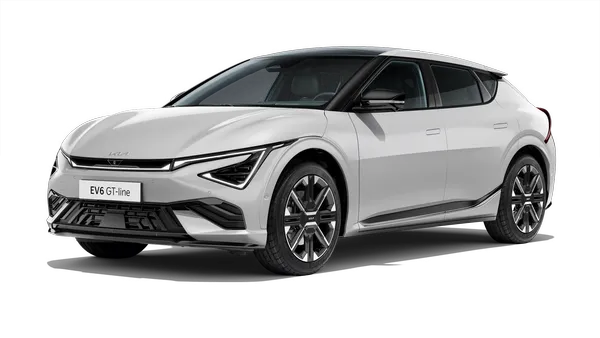
Kia K4: Seating and Safety Restraints for the Kia K4 / Child Restraint System (CRS)
Contents:
- Children always in the rear
- Selecting a child restraint system (CRS)
- Installing a child restraint system (CRS)
For the safety of our youngest passengers, infants and small children must always be restrained in an appropriate rear-facing or forward-facing Child Restraint System (CRS) that is properly secured to the rear seat of the Kia K4. Please ensure full compliance with all relevant state and federal laws regarding mandatory child passenger seating and safety requirements while operating your Kia K4.
Children always in the rear
For maximum safety, children under the age of 13 must always ride in the rear seats of the Kia K4. Ensuring that children are properly restrained at all times is essential to minimize the risk of serious injury or fatality in the event of an accident, an emergency stop, or sudden vehicle maneuvers.
WARNING
Restraint Location
Never install a child or infant seat in the front passenger seat of your Kia K4. If a child is riding in the front passenger seat, they risk being forcefully struck by an inflating airbag, which can lead to catastrophic or fatal injuries.
CAUTION
Hot Child Restraint System (CRS)
A Child Restraint System (CRS) can reach extremely high temperatures if left in an enclosed Kia K4 on a sunny day. Always touch-test the seat cover, buckles, and latches to ensure they are cool to the touch before placing your child into the restraint system to prevent accidental burns.
Extensive accident statistics consistently demonstrate that children are significantly safer when properly secured in the rear seats compared to the front passenger seating position. Even in vehicles equipped with advanced airbag technology, children remain vulnerable to serious injury or death in the front seat. Once children have outgrown the size requirements for a specialized CRS, they must continue to use the standard 3-point seat belts provided in the rear of the Kia K4.
All 50 states have enacted child restraint laws requiring children to travel in approved safety devices. Because the legal requirements regarding age, height, and weight restrictions for transitioning from a CRS to a standard seat belt can vary significantly by jurisdiction, you must stay informed about the specific regulations in your home state and any states you may be traveling through.
The CRS must be correctly positioned and installed within the rear seat of your Kia K4. You must utilize a commercially available CRS that is certified to meet the stringent requirements of the Federal Motor Vehicle Safety Standards (FMVSS).
A CRS is typically designed to be secured to the vehicle seat using either the lap portion of the standard lap/shoulder belt or by utilizing the integrated LATCH (Lower Anchors and Tethers for Children) system specifically provided in the rear seats of the Kia K4.
Child Restraint System (CRS)
For optimal safety in your Kia K4, infants and younger children must always be securely restrained in an appropriate rear-facing or forward-facing Child Restraint System (CRS). This system must first be properly positioned and securely installed in the rear seat of the vehicle. It is imperative that you carefully read, understand, and strictly comply with all installation and usage instructions provided by the manufacturer of the CRS to ensure your child's safety while traveling.
Child Restraint System (CRS) Installation
An improperly secured CRS can drastically increase the risk of serious injury or death in the event of a collision or sudden emergency maneuver. To maximize protection within the cabin of your Kia K4, always take the following critical precautions when installing and using a CRS:
-
Always rigorously follow the specific CRS manufacturer’s instructions and guidelines for correct installation and daily use within your Kia K4.
-
Always ensure your child is properly and securely restrained within the CRS harness before starting the vehicle.
-
If the standard vehicle head restraint in the Kia K4 interferes with or prevents the proper, flush installation of a child seat (as described in your CRS owner's manual), you must either readjust the height or entirely remove the head restraint from that specific rear seat before proceeding.
-
Do not use an infant carrier or a child safety seat that merely “hooks� over a seatback. These designs are unstable and may not provide adequate structural support or protection during a crash.
-
When installing a CRS in the center rear seating position of the Kia K4, be aware that the base may contact or forcefully push up against the adjacent seat belt buckles. This interference can permanently damage the buckles, rendering them unusable or unsafe for other passengers. Always verify that the CRS does not rest on or obstruct any seat belt hardware. Routinely check the placement of the CRS to ensure it has not shifted during transit and come into dangerous contact with the buckles.
WARNING
Post-accident inspection
Following any collision or accident, regardless of severity, you must have an authorized Kia dealer thoroughly inspect the CRS, all Kia K4 seat belt assemblies, top tether anchors, and lower LATCH anchors to ensure no hidden structural damage has compromised the vehicle's safety restraint systems.
Selecting a child restraint system (CRS)
Selecting the correct Child Restraint System (CRS) is a critical step in ensuring the safety of your passengers in the Kia K4. When choosing a system for your child, always adhere to these professional guidelines:
-
Verify that the CRS features a clear, permanent label certifying that it fully complies with the applicable Federal Motor Vehicle Safety Standards (FMVSS 213).
-
Select a CRS that is precisely matched to your child’s current height and weight. This vital information is typically found on the manufacturer’s label or in the provided user manual.
-
Ensure that the CRS model you choose is compatible with the specific rear seating positions available in your Kia K4.
-
Thoroughly read and strictly comply with all warnings and installation instructions provided by the CRS manufacturer.
-
For additional expert advice on selecting the correct fit and ensuring optimal safety for your child, refer to the resources provided by the American Academy of Pediatrics at https://www.healthychildren.org.
WARNING
Holding children
Never attempt to hold a child in your arms or on your lap while traveling in a vehicle. The extreme, violent forces generated during a crash will instantly overcome your ability to hold them, tearing the child from your arms and throwing them against the interior of the Kia K4. Always secure your child in an appropriate, crash-tested CRS suited to their height and weight.
WARNING
Unattended children
Never leave children unattended inside your Kia K4. The interior temperature can rise to dangerous levels very rapidly, even on mild days, which can result in severe heat-related injuries or fatalities.
WARNING
Seat belt use
Never allow two occupants to share a single seat belt. Doing so eliminates the safety benefits of the restraint system for both individuals and can lead to severe injury in the event of an accident.
CRS types
Child Restraint Systems are categorized into three primary types—rear-facing seats, forward-facing seats, and booster seats—classified specifically by the child’s age, developmental stage, height, and weight.
Rear-facing child seats
|
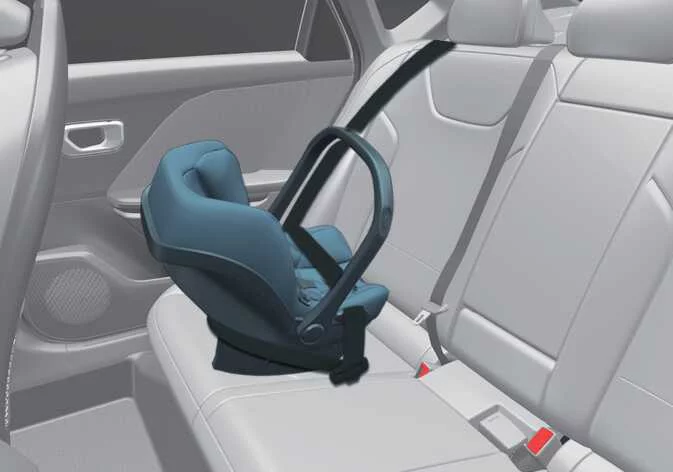
A rear-facing seat protects the child by bracing their entire back against the seat shell. The harness system keeps the child securely positioned, which, during a collision, dramatically reduces stress on the developing neck and spinal cord. In the Kia K4, these must be used exclusively in the rear seating positions.
All infants under the age of 1 must always travel in a rear-facing infant CRS. Convertible and "3-in-1" seats often feature higher height and weight limits for rear-facing installation, which is the safest way to transport your child. We recommend keeping your child in a rear-facing position for as long as they meet the manufacturer’s growth limits before transitioning to a forward-facing harness seat.
Forward-facing child restraints
|
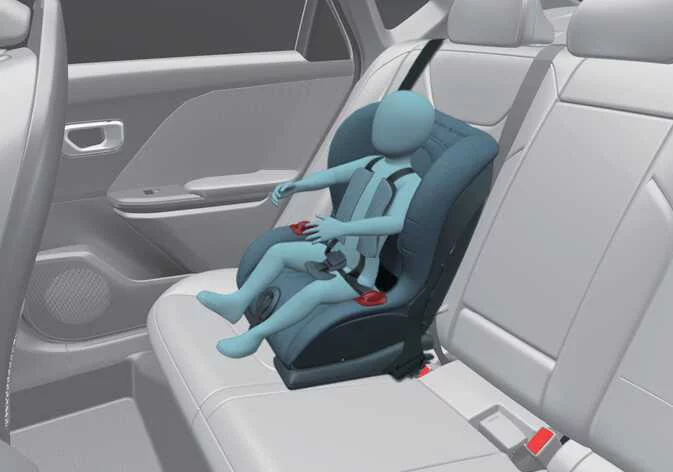
A forward-facing seat utilizes an integrated harness to restrain the child's body. Continue to utilize a forward-facing seat with a harness in your Kia K4 until the child reaches the maximum height or weight limit specified by the manufacturer. Once they outgrow this limit, they are ready to transition to a booster seat.
Booster seats
A booster seat is a specialized restraint designed to improve the fit of the Kia K4 3-point seat belt system. By elevating the child, the booster ensures the seat belt rests properly over the child’s body.
Keep your child in a booster seat until they are large enough to sit comfortably against the vehicle seatback while having the seat belt fit correctly. A proper fit is achieved when the lap belt sits snugly across the upper thighs, never across the stomach, and the shoulder belt rests comfortably across the center of the shoulder and chest, not crossing the neck or face. Remember, children under the age of 13 should always travel in the rear seats of the Kia K4 to minimize the risk of injury.
Installing a child restraint system (CRS) ➤


Other information:
Condition detected by the occupant detection system Indicator/Warning light Devices Devices PASSENGER AIR BAG OFF SRS warning light Front passenger air bag 1.Kia K4 (CL4) 2025-2026 Owner's Manual: Tilt and telescopic steering wheel
The Kia K4 features a highly adjustable tilt and telescopic steering wheel, allowing you to fine-tune the driving position to your exact preferences before setting off. This versatile system also enables you to raise the wheel to its highest position, providing additional legroom for effortless entry and exit from the Kia K4. For the safest and most comfortable driving experience, the steering wheel should be positioned so that it feels natural during operation while ensuring you have a clear, unobstructed view of all instrument panel gauges and warning lights.