
Kia EV6: Maintenance / Tires and Wheels
Contents:
- Checking Tire Inflation Pressure
- Tire Rotation
- Wheel Alignment and Tire Balance
- Wheel and Tire Installation
Proper tire maintenance is essential for the safety, efficiency, comfort, and overall performance of the Kia EV6. To achieve the best driving experience, always maintain the recommended tire inflation pressures and stay within the specified load limits and weight-distribution guidelines provided for your vehicle.
Recommended Cold Tire Inflation Pressures
All tire pressure measurements should be performed when the tires are cold. For the Kia EV6, a "cold tire" means the vehicle has been parked for at least three hours or has been driven less than one mile (1.6 km) before the pressure check.
Maintaining the correct tire pressure helps optimize ride comfort, steering response, braking performance, energy efficiency, and tire lifespan.
For the recommended inflation pressures applicable to your Kia EV6, refer to the Tires and Wheels section of this manual.
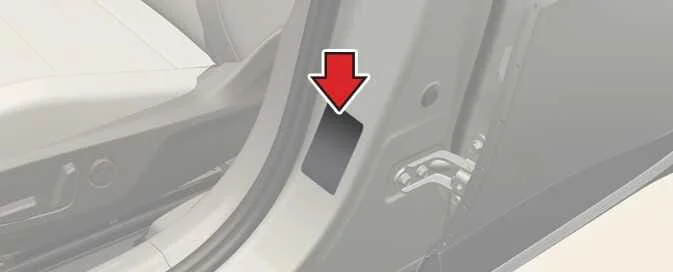
Complete tire specifications, including tire sizes and recommended pressures, can also be found on the certification label located on the driver's side center pillar.
|
WARNING
Tire Underinflation
Always inflate the tires of your Kia EV6 according to the specifications provided in this owner's manual. Severe underinflation of 10 psi (70 kPa) or more below the recommended pressure can generate excessive heat inside the tire. This heat buildup may lead to tread separation, tire blowouts, structural tire damage, and sudden tire failure that could result in loss of vehicle control.
The risk increases significantly during hot weather conditions and prolonged high-speed driving.
Failure to maintain the specified tire pressure may result in accelerated tire wear, reduced handling stability, increased rolling resistance, harsher ride quality, wheel deformation, reduced driving range, and greater susceptibility to damage from road hazards.
Tire Pressure
To help maximize the safety and performance of your Kia EV6, always follow these recommendations:
-
Check tire pressure only when the tires are cold. This means the vehicle has been parked for at least three hours or has not been driven more than one mile (1.6 km) since startup.
-
If your Kia EV6 is equipped with a spare tire, inspect its pressure whenever you check the pressure of the road tires.
-
Never overload the vehicle. Pay close attention to cargo weight and roof-rack load limits if equipped.
-
Tires that have been driven recently will normally show pressures that are 4-6 psi (28-41 kPa) higher than the recommended cold-tire values. Do not release air from warm tires, as doing so may leave them dangerously underinflated after they cool down.
-
Regular tire-pressure inspections can improve tire life, handling precision, braking stability, and the electric driving range of the Kia EV6.
WARNING
Tire Inflation
Both overinflation and underinflation can shorten tire life, negatively affect handling characteristics, reduce ride comfort, and increase the likelihood of sudden tire failure. Improper tire pressure may lead to loss of vehicle control and increase the risk of an accident.
Checking Tire Inflation Pressure
Inspect the tire pressure of your Kia EV6 at least once every month and before any long-distance trip.
Always use a high-quality tire-pressure gauge. Visual inspection alone is not sufficient because radial tires may appear properly inflated even when they are significantly underinflated.
For accurate results, measure tire pressure only when the tires are cold. A cold tire is one that has remained stationary for at least three hours or has been driven less than one mile (1.6 km).
-
Remove the protective valve cap from the tire valve stem.
-
Press the tire-pressure gauge firmly onto the valve stem to obtain a pressure reading. If the measured pressure matches the value specified on the Kia EV6 tire-information label, no adjustment is required.
-
If the pressure is below the recommended level, add air until the correct inflation pressure is reached.
-
If too much air is added, release excess pressure by gently pressing the metal valve core located in the center of the valve stem.
-
Recheck the tire pressure using the gauge to verify that the correct value has been achieved.
-
Reinstall the valve cap securely. Valve caps help protect the valve from dirt, moisture, and air leakage.
Inspect all tires regularly for proper inflation, tread wear, cuts, punctures, bulges, and other signs of damage. Consistent maintenance helps ensure safe operation of the Kia EV6 under all driving conditions.
Tires that are either underinflated or overinflated wear unevenly and may negatively affect braking performance, steering response, and overall vehicle stability. Severe tire-pressure issues can result in tire failure, accidents, serious injuries, or even fatalities.
The recommended cold-tire inflation pressures for your Kia EV6 are listed in this owner's manual and on the tire-information label attached to the driver's side center pillar.
Tire Rotation
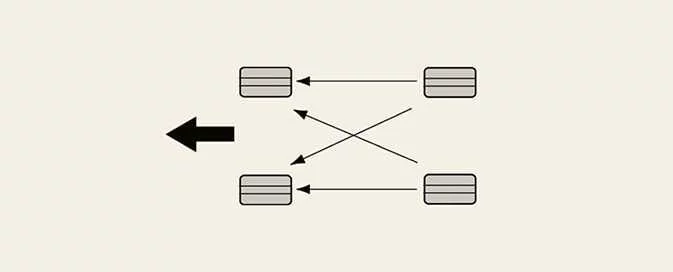
To promote even tread wear and maximize tire service life, Kia recommends rotating the tires of the Kia EV6 every 8,000 miles (13,000 km) or sooner if irregular wear patterns develop.
Whenever tire rotation is performed, check wheel balance and inspect the tires thoroughly.
During the rotation process, examine the tires for abnormal wear, cuts, punctures, bulges, sidewall damage, and other signs of deterioration. Uneven wear may indicate incorrect tire pressure, improper wheel alignment, wheel imbalance, aggressive cornering, or severe braking habits.
Inspect the tread and sidewalls carefully. If you notice bulges, exposed fabric, visible cords, cracks, or structural damage, replace the affected tire immediately.
After rotating the tires on your Kia EV6, adjust all tire pressures to the recommended specifications and verify proper wheel-nut torque.
For additional information regarding tire maintenance, refer to the Tires and Wheels section of this Kia EV6 owner's manual.
Brake-pad condition should also be inspected whenever tire rotation is performed.
|
Tires featuring an asymmetric tread design should only be rotated from front to rear on the same side of the vehicle. They should not be moved from the left side to the right side or vice versa.
Proper tire rotation helps maintain predictable handling, improved ride comfort, lower road noise, and consistent tire performance throughout the life of the Kia EV6.
WARNING
Mixing Tires
Never mix bias-ply tires with radial tires on the Kia EV6 under any circumstances. Using different tire construction types may result in unstable handling characteristics, reduced vehicle control, and an increased risk of an accident.
Wheel Alignment and Tire Balance
The wheels of your Kia EV6 are carefully aligned and balanced at the factory to deliver optimal ride quality, predictable handling, maximum tire life, and efficient overall vehicle performance.
Under normal driving conditions, wheel alignment should remain within specification for an extended period and generally does not require frequent adjustment. However, if you notice uneven tire wear, steering-wheel misalignment, or the Kia EV6 consistently pulling to one side while driving on a level road, the wheel alignment should be inspected and corrected by an authorized Kia dealer.
If vibration is felt through the steering wheel, floor, or seats while driving on a smooth road surface, wheel balancing may be required. Proper wheel balance is essential for maintaining ride comfort, reducing suspension wear, and preventing premature tire deterioration.
Maintaining correct wheel alignment and balance can also improve the driving efficiency and electric range of the Kia EV6.
CAUTION
Wheel Weights
Using incorrect wheel weights may damage the aluminum wheels installed on the Kia EV6. Always use approved wheel-balancing weights that meet Kia specifications.
Wheel and Tire Installation
When removing or reinstalling wheels and tires on the Kia EV6, use the dedicated hub-cap removal tool stored inside the vehicle tool kit. This tool allows safe removal of the wheel cover without damaging the wheel or surrounding components.
The insertion point for the removal tool is located either at the upper section or along the outer edge of the hub cap, depending on wheel design.


Other information:
Whenever a front door of the Kia EV6 is opened, the illuminated EV button becomes visible for easier access and driver convenience. The Kia EV6 EV button illumination automatically switches OFF approximately 30 seconds after the door is closed. If all Kia EV6 doors are closed and the vehicle is locked using the smart key or transmitter, the illumination turns OFF immediately.To open or close a window in the Kia EV6, gently press down or pull up the front section of the corresponding window switch to the first detent position (1). Type B - Auto up/down window: (if equipped) Pressing or pulling the Kia EV6 power window switch briefly to the second detent position (2) will completely open or close the window automatically, even after the switch is released.
Contents
- Checking Tire Inflation Pressure
- Tire Rotation
- Wheel Alignment and Tire Balance
- Wheel and Tire Installation
Categories
- Manuals Home
- Kia EV6 Owners Manual
- Questions & Answers
- Video Guides
- Useful Resources
- New on site
- Most important about Kia EV6
- Privacy Policy
