
Kia EV6: Electric vehicle guide / Electric vehicle overview
Contents:
The Kia EV6 is powered by an advanced high-voltage battery system and electric drive motor rather than a traditional internal combustion engine. Unlike gasoline-powered vehicles, electric vehicles use electrical energy stored within the high-voltage battery pack to propel the vehicle efficiently and quietly.
Because the Kia EV6 operates entirely on electric power, it does not require gasoline and produces no tailpipe emissions during driving, helping reduce environmental impact while delivering smooth acceleration and responsive performance.
The electric drivetrain of the Kia EV6 also offers benefits such as instant torque delivery, reduced mechanical vibration, lower operating noise, and regenerative braking technology designed to help recover energy during deceleration.
Characteristics of electric vehicles
The Kia EV6 is powered entirely by electrical energy stored inside a high-voltage lithium-ion battery system. Unlike conventional gasoline-powered vehicles, this advanced electric propulsion system eliminates tailpipe emissions and delivers clean, efficient driving performance.
A high-performance electric motor is used in the Kia EV6 to provide smooth acceleration, rapid torque delivery, and responsive driving dynamics. Compared with many traditional internal combustion engine vehicles, cabin noise and vibration levels are significantly reduced, creating a quieter and more refined driving experience.
During deceleration or downhill driving, the regenerative braking system in the Kia EV6 helps recharge the high-voltage battery by converting kinetic energy into electrical energy. This energy recovery process reduces unnecessary energy loss and can help extend the estimated driving range.
When the high-voltage battery charge becomes low, several charging methods are available for the Kia EV6, including AC charging (L2 Normal charging), DC fast charging, and Trickle charging (L1 charging). For additional details, refer to the section covering charging types for electric vehicles.
The advanced electric drivetrain of the Kia EV6 also contributes to improved driving efficiency, lower operating costs, and reduced maintenance requirements compared with many conventional gasoline-powered vehicles.
NOTE
Regenerative braking
The regenerative braking system in the Kia EV6 uses the electric motor during deceleration and braking to recover kinetic energy and convert it into electrical energy for charging the high-voltage battery. During this process, reverse torque is applied to create braking force while simultaneously generating electricity.
Battery information
The Kia EV6 is equipped with a high-voltage battery system that powers the electric motor, climate control system, and other major vehicle systems. In addition, the high-voltage battery charges the auxiliary 12V battery, which operates various low-voltage electrical components throughout the vehicle.
The 12V auxiliary battery in the Kia EV6 is automatically charged whenever the vehicle is placed in READY mode or while the high-voltage battery is actively charging.


Other information:
Kia EV6 2022-2026 Owner's Manual: Driver Attention Warning (DAW)
Driver Attention Warning function The Kia EV6 Driver Attention Warning function monitors driving patterns, steering behavior, lane position, and vehicle movement to help determine whether driver attention may be decreasing. When the system determines that the driver’s attention level has dropped below a certain threshold, Driver Attention Warning may recommend taking a break to support safer driving.Kia EV6 2022-2026 Owner's Manual: Forward Collision-avoidance Assist (FCA) (Sensor Fusion)
Basic function The Kia EV6 Forward Collision-Avoidance Assist (FCA) system uses advanced sensor fusion technology to help detect vehicles, motorcycles, pedestrians, and cyclists traveling ahead of the vehicle. When a potential collision risk is detected, the Kia EV6 may warn the driver using audible alerts, visual warning messages on the instrument cluster, and additional system notifications.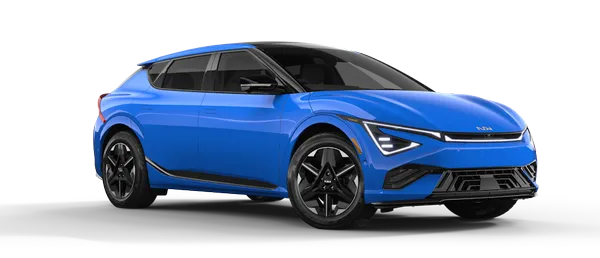
Contents
Categories
- Manuals Home
- Kia EV6 Owners Manual
- Questions & Answers
- Video Guides
- Useful Resources
- New on site
- Most important about Kia EV6
- Privacy Policy
