
Kia EV6: Maintenance / 1. Manufacturer or Brand Identification
Contents:
- Tire Terminology and Definitions
- All-Season Tires
- Summer Tires
- Snow Tires
- Tire Chains
- Radial-Ply Tires
- Low Aspect Ratio Tire: (if equipped)
The tire sidewall of your Kia EV6 displays the name of the manufacturer or the tire brand. This information helps identify the tire model and ensures that replacement tires meet the original equipment specifications recommended for the Kia EV6.
2. Maximum Permissible Inflation Pressure
This value indicates the highest air pressure that may safely be placed inside the tire. The maximum inflation pressure should never be exceeded, as overinflation can negatively affect ride quality, traction, and tire durability. For the correct operating pressure of your Kia EV6, always refer to the Tire and Loading Information label and follow the recommended cold tire inflation specifications provided by Kia.
3. Maximum Load Rating
This figure specifies the maximum weight, expressed in both kilograms and pounds, that the tire is designed to support safely. When replacing tires on the Kia EV6, always select tires with the same load rating as the original factory-installed equipment. Using tires with insufficient load capacity may compromise handling, braking performance, safety, and vehicle stability.
4. Uniform Tire Quality Grading (UTQG)
Where applicable, tire quality grades are molded into the sidewall between the tread shoulder and the maximum section width of the tire.
Typical examples include:
-
Treadwear 200
-
Traction AA
-
Temperature A
Even when tires are not frequently used, they continue to age naturally over time. For optimal safety and performance of your Kia EV6, tires should generally be replaced after approximately six years of service, regardless of remaining tread depth. High ambient temperatures, heavy vehicle loads, and prolonged exposure to sunlight can accelerate tire aging and reduce service life.
Treadwear
The treadwear grade is a comparative rating determined under controlled testing conditions on a government-approved test course. For example, a tire with a treadwear rating of 150 is expected to last one and one-half times longer on the test course than a tire with a rating of 100.
Actual tread life on a Kia EV6 may differ considerably depending on driving habits, road conditions, climate, tire maintenance, wheel alignment, and inflation practices. Aggressive acceleration, hard braking, and frequent cornering can significantly reduce tire life.
Treadwear grades are molded into the sidewalls of passenger vehicle tires. Depending on trim level and wheel configuration, the tires supplied on your Kia EV6 may have different treadwear ratings.
Traction - AA, A, B & C
Traction grades range from AA (highest) to C (lowest). These grades indicate the tire's ability to stop on wet pavement during standardized government testing on asphalt and concrete surfaces.
A tire receiving an AA grade offers the highest level of wet braking traction, while a tire graded C provides the lowest acceptable level of performance under the testing criteria.
The assigned traction grade reflects straight-line braking performance only. It does not evaluate cornering grip, hydroplaning resistance, acceleration traction, or maximum cornering capability.
Temperature - A, B & C
Temperature grades indicate a tire's ability to resist heat buildup and dissipate heat effectively. Ratings range from A (highest) to C (lowest).
Excessive heat is one of the primary causes of tire deterioration. Continuous operation at elevated temperatures can shorten tire life, reduce structural strength, and increase the likelihood of sudden tire failure.
Grade C represents the minimum level of performance required under Federal Motor Vehicle Safety Standard No. 109. Tires rated B or A exceed the minimum legal requirements and provide higher levels of heat resistance during laboratory testing.
Maintaining proper tire pressure on your Kia EV6 helps minimize heat generation and promotes longer tire service life.
5. Tire Ply Composition and Material
This information identifies the number of rubber-coated fabric layers, or plies, used in the tire construction. Tire manufacturers must also list the materials incorporated into the tire structure, which may include steel, polyester, nylon, rayon, aramid fibers, and other reinforcing materials.
The letter designation indicates the tire construction type:
-
R = Radial-ply construction
-
D = Diagonal or bias-ply construction
-
B = Belted-bias construction
Most modern Kia EV6 models are equipped with radial tires because of their superior ride comfort, durability, efficiency, and handling characteristics.
6. Checking Tire Life (TIN: Tire Identification Number)
Tires that are more than six years old, based on their manufacturing date, should generally be replaced even if they appear to have adequate tread remaining. Aging can weaken the tire structure and reduce overall safety.
The manufacturing date can be found on the tire sidewall as part of the DOT (Department of Transportation) identification code. In some cases, the complete DOT code may be located on the inward-facing side of the tire.
The DOT code consists of a series of letters and numbers used to identify the manufacturing plant, tire specifications, and production date.
The final four digits of the DOT code indicate the week and year in which the tire was manufactured.
For example, a DOT code ending in 2525 means the tire was manufactured during the 25th week of 2025.
Regularly checking the Tire Identification Number is an important part of maintaining the safety, reliability, and performance of your Kia EV6, particularly before long-distance travel or when purchasing replacement tires.
DOT: XXXX XXXX OOOO
The DOT (Department of Transportation) identification code provides important information about the tire used on your Kia EV6. The first portion of the code identifies the manufacturing plant, tire dimensions, and tread design, while the final four digits indicate the exact production week and year.
For example:
DOT XXXX XXXX 1625 indicates that the tire was manufactured during the 16th week of the year 2025.
This information is particularly important when evaluating tire age, scheduling replacements, or purchasing new tires for your Kia EV6. Even if a tire appears to be in good condition externally, its internal structure gradually deteriorates over time due to aging, temperature fluctuations, and environmental exposure.
WARNING
Tire Age
Tires should be replaced within the recommended service life regardless of remaining tread depth. Failure to replace aging tires can increase the risk of sudden tire failure, tread separation, reduced vehicle stability, and loss of control of your Kia EV6, potentially resulting in a serious accident.
Regular inspection of the DOT manufacturing date is an important part of maintaining the safety and performance of your Kia EV6.
7. Tire Size Designation
Every tire installed on the Kia EV6 contains a tire size designation molded into the sidewall. This sequence of letters and numbers provides detailed information about the tire's dimensions, construction, load capacity, and speed capability.
You will need this information whenever replacement tires are required to ensure proper compatibility with the original Kia EV6 specifications.
Example tire size designation:
(The following example is provided for reference purposes only. The actual tire size fitted to your Kia EV6 may differ depending on model year, trim level, market, and wheel package.)
P255/45R20 105H
-
P: Indicates the tire is intended for passenger vehicles or light-duty vehicles. Some tire models may not include this prefix.
-
255: The tire section width measured in millimeters from sidewall to sidewall.
-
45: The aspect ratio, representing the sidewall height as a percentage of the tire width. In this example, the sidewall height equals 45% of the tire width.
-
R: Radial tire construction. Radial tires are commonly used on modern vehicles such as the Kia EV6 because they provide improved handling, comfort, and durability.
-
20: Wheel or rim diameter measured in inches.
-
105: Load Index. This numerical code corresponds to the maximum load-carrying capacity of the tire.
-
H: Speed Rating Symbol. This letter indicates the maximum speed capability of the tire under specified operating conditions.
Selecting replacement tires with identical specifications helps preserve the handling characteristics, ride comfort, efficiency, and safety systems engineered into the Kia EV6.
Wheel Size Designation
Wheels also carry identification markings that provide critical dimensional information. Understanding these markings is important when replacing or upgrading wheels on your Kia EV6.
Example wheel size designation:
8.0JX20
-
8.0: Wheel rim width expressed in inches.
-
J: Rim contour designation identifying the profile of the wheel flange.
-
20: Wheel diameter expressed in inches.
Using wheels that match the original Kia EV6 specifications helps ensure proper tire fitment, suspension operation, braking performance, and accurate speedometer readings.
Tire Speed Ratings
The following table lists several common speed rating symbols currently used on passenger vehicle tires. The speed rating is part of the tire size designation found on the sidewall and identifies the tire's maximum designed operating speed under controlled testing conditions.
|
Speed Rating Symbol |
Maximum Speed |
|---|---|
|
S |
112 mph (180 km/h) |
|
T |
118 mph (190 km/h) |
|
H |
130 mph (210 km/h) |
|
V |
149 mph (240 km/h) |
|
Z |
Above 149 mph (240 km/h) |
When replacing tires on your Kia EV6, always choose tires with the same or higher speed rating than those originally supplied by Kia. This helps maintain the intended performance, safety margins, and driving dynamics of the vehicle.
8. Manufacturer or Brand Name
The sidewall of the tire displays the manufacturer's name or brand identification. This marking allows owners of the Kia EV6 to identify the tire manufacturer quickly when ordering replacements, checking warranty information, reviewing recall notices, or verifying tire specifications.
Using high-quality tires from reputable manufacturers contributes to improved safety, durability, ride comfort, and overall driving performance of the Kia EV6.
Tire Terminology and Definitions ➤
All-Season Tires
Some Kia EV6 models are equipped with all-season tires designed to deliver balanced performance throughout the year. These tires are engineered to provide dependable traction and handling in a wide variety of weather conditions, including dry pavement, wet roads, light snow, and occasional icy surfaces.
All-season tires can be identified by the markings ALL SEASON and/or M+S (Mud and Snow) molded into the tire sidewall. While these tires offer year-round versatility for many Kia EV6 drivers, dedicated winter tires generally provide superior grip, braking capability, and control in severe snow and ice conditions.
Drivers who frequently encounter harsh winter weather may benefit from switching to specialized snow tires for improved cold-weather performance.
Summer Tires
On certain Kia EV6 configurations, Kia specifies summer tires to maximize handling precision, cornering stability, braking response, and overall performance on dry and wet pavement during warmer temperatures.
Summer tires are specifically optimized for warm-weather driving and offer enhanced road contact compared to many all-season alternatives. However, their performance decreases significantly in snow, slush, ice, and freezing temperatures.
Unlike all-season or winter tires, summer tires do not carry the M+S (Mud and Snow) designation on the sidewall.
If your Kia EV6 will be operated in areas where snow, ice, or extended cold-weather conditions are common, Kia recommends installing winter tires or all-season tires on all four wheels to maintain proper vehicle stability and safety.
Snow Tires
If snow tires are installed on the Kia EV6, they should match the original tire size, load capacity, and overall specifications recommended by Kia.
For optimum traction, braking performance, and handling balance, snow tires must be installed on all four wheels. Installing winter tires on only one axle may negatively affect vehicle stability and lead to unpredictable handling characteristics.
Snow tires should generally be inflated to 4 psi (28 kPa) above the pressure specified for the standard tires shown on the driver's side center pillar label, provided this value does not exceed the maximum pressure indicated on the tire sidewall.
Always monitor tire pressure regularly during winter months, as cold temperatures can significantly reduce inflation pressure.
When equipped with snow tires, the Kia EV6 should not be driven faster than 75 mph (120 km/h), unless the tire manufacturer specifies a higher approved speed rating.
WARNING
Do not use summer tires when ambient temperatures fall below 45°F (7°C) or when driving on snowy, icy, or frozen road surfaces.
At temperatures below 45°F (7°C), the rubber compound used in summer tires can become significantly less flexible, resulting in reduced traction, diminished braking performance, and compromised handling characteristics.
For safe operation of the Kia EV6 during cold-weather conditions, replace summer tires with winter tires or all-season tires of the same size and specification. These tire types can be identified by the M+S (Mud and Snow) marking on the sidewall.
Continued use of summer tires in freezing temperatures may also cause cracking of the tire compound and lead to permanent tire damage.
Tire Chains
If tire chains become necessary due to severe winter conditions, they should be installed on the rear wheels of the Kia EV6.
Always follow the tire-chain manufacturer's installation instructions carefully to ensure proper fitment and safe operation.
To minimize wear on the tires, wheels, suspension components, and tire chains themselves, remove the chains as soon as road conditions no longer require their use.
-
When driving on snow-covered or icy roads with tire chains installed, maintain speeds below 20 mph (30 km/h).
-
If chain contact with the vehicle body or suspension components is detected, stop immediately and retighten the chains to eliminate interference.
-
To reduce the possibility of vehicle damage, inspect and retighten the chains after driving approximately 0.3-0.6 miles (0.5-1.0 km).
-
Do not use conventional metal tire chains on Kia EV6 models equipped with aluminum alloy wheels unless absolutely necessary. If chain use cannot be avoided, fabric-style snow chains are strongly recommended.
Radial-Ply Tires
The Kia EV6 is equipped with modern radial-ply tires designed to provide excellent ride comfort, enhanced durability, improved resistance to road hazards, and superior high-speed stability.
These radial tires feature a belted construction specifically selected to complement the suspension, handling characteristics, and efficiency goals of the Kia EV6.
Radial-ply tires offer the same load-carrying capability as comparable bias-ply tires while providing improved tread life, better fuel efficiency, and more consistent handling.
Mixing radial-ply tires with bias-ply or bias-belted tires on the same vehicle is not recommended. Such combinations can significantly degrade steering response, braking performance, ride quality, and overall vehicle stability.
For best performance and safety, all four tires installed on the Kia EV6 should be identical in size, construction type, load rating, and speed rating.
Tires designed for extended service life may sometimes develop irregular tread wear if maintenance schedules are not followed properly. Regular tire rotation at the intervals specified by Kia helps maximize tire life and maintain even tread wear.
Because radial tire sidewalls flex more than those of bias-ply tires, punctures and cuts are generally repairable only within the tread area. Consult a qualified tire specialist regarding repairability.
Low Aspect Ratio Tire: (if equipped)
Certain Kia EV6 models are equipped with low aspect ratio tires, typically featuring an aspect ratio below 50. These tires are selected to provide a more athletic appearance while improving steering precision, cornering response, and braking performance.
Because low-profile tires have shorter sidewalls than conventional tires, they provide a sportier driving feel and more direct road feedback.
However, compared with standard tires, low aspect ratio tires may generate increased road noise and transmit more road imperfections into the cabin, resulting in a firmer ride quality.
CAUTION
Because the sidewall of a low aspect ratio tire is shorter than that of a conventional tire, the wheel and tire assembly may be more vulnerable to impact damage.
To help protect the wheels and tires of your Kia EV6, observe the following precautions:
-
Drive carefully on rough roads, gravel surfaces, construction zones, and off-road terrain. Inspect the tires and wheels after exposure to such conditions.
-
Reduce speed when crossing potholes, speed bumps, manhole covers, railroad crossings, or curbs to minimize impact damage.
-
If a tire experiences a significant impact, have it inspected immediately by an authorized Kia dealer or qualified tire specialist.
-
Inspect tire condition and inflation pressure approximately every 1,900 miles (3,000 km) to help prevent premature wear and potential damage.
-
Tire damage is not always visible externally. Even if no obvious signs are present, any suspected tire impact should be inspected promptly because hidden structural damage may lead to gradual air loss or sudden tire failure.
-
Damage resulting from impacts with rough roads, potholes, curbs, off-road obstacles, or similar hazards is generally not covered under the vehicle warranty.
-
Detailed tire specifications, load ratings, speed ratings, manufacturing information, and safety markings can be found directly on the tire sidewall of your Kia EV6.


Other information:
The Kia EV6 is equipped with lighting units positioned throughout the vehicle to illuminate the road, enhance interior visibility, and improve communication with surrounding traffic. These lighting systems contribute significantly to driving safety, visibility, and overall vehicle functionality. Bulb replacement precautions It is recommended that Kia EV6 owners keep spare replacement bulbs with the correct wattage specifications available for emergency situations.Whenever a front door of the Kia EV6 is opened, the illuminated EV button becomes visible for easier access and driver convenience. The Kia EV6 EV button illumination automatically switches OFF approximately 30 seconds after the door is closed. If all Kia EV6 doors are closed and the vehicle is locked using the smart key or transmitter, the illumination turns OFF immediately.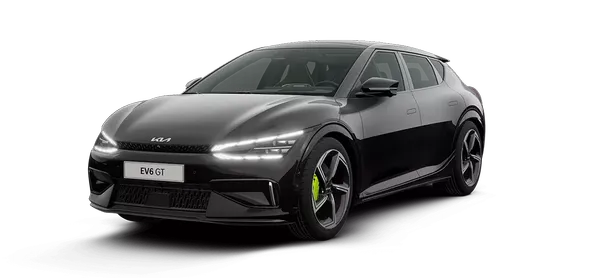
Contents
- Tire Terminology and Definitions
- All-Season Tires
- Summer Tires
- Snow Tires
- Tire Chains
- Radial-Ply Tires
- Low Aspect Ratio Tire: (if equipped)
Categories
- Manuals Home
- Kia EV6 Owners Manual
- Questions & Answers
- Video Guides
- Useful Resources
- New on site
- Most important about Kia EV6
- Privacy Policy
